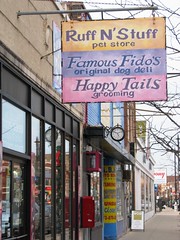
 When I did shelter work years ago we hated pet stores, absolutely hated them. Pet stores sold animals, many from puppy mills and sometimes sick animals. They didn’t spay or neuter. They sold animals to people without any guidance, often these animals had worms or even worse broke with distemper or parvovirus when people would get them home. People would get these animals and not be able to deal with them and drop them at the shelter and we would kill them because there were too many. You can see why we hated them so much.
We talked about getting the legislator to ban the sale of animals in store, we tried to get people to boycott these stores and we told them how wrong and bad they were and nothing changed. People still bought animals from pet stores and we still killed them when they were brought to us.
But one day someone asked what if we figured out a way to partner with them and in doing so either increase their profits or at least not hurt them. We figured out that the best way to do that was by approaching them and talking to them, figuring out what they wanted and what we wanted and finding common ground. Instead of seeing them as evil we joined forces.
Today in Seattle there are very few pet stores that sell animals but many pet stores have cages that are used by local rescue groups and shelters to showcase animals up for adoption. People adopt animals in the pet stores but from the rescue groups and then buy their new pet supplies from the store. Who does want a new color and bowl for their new little love? The stores makes money, fewer animals die. Everyone wins.
On to herbs and animals –
In the veterinary community there is a huge concern about people treating their animals with supplements and herbs without the guidance of a practitioner. This is not because we do not want people’s animals to do well but for the exact opposite reason, that we fear that harm will be done that hurts these animals.
 The truth is there are plenty of people giving out information that are not trained in herbal medicine or veterinary medicine. It makes me cringe to think of some of the things I have read online that are simply not true and even worse, harmful. If we as the veterinary community do not share information on the safe use of herbs and supplements someone else will and the chance of harm or the wrong supplements/herbs being used for the wrong conditions goes way up.
There are many places where there are simply no holistic vets. Do we insist that someone drive a sick animal 4-5 hours each way to see one? Move to a larger city? Not have access to something that could help their animal?
We need to realize that people self diagnosing and treating animals with herbs is not going to go away no matter how much we fight it. So let’s stop fighting.
What if we tried a different approach by making sure that people have access to safe herbs and good information about how to use them? What if we gave them, with that, references to vets in their area who worked with herbs and supplements?
There is a fear if we “give out free information” people will not come and see us, our business will die out. I view this as sharing not giving. When I have people contact me through my herb store with questions about using herbs I always recommend they find a holistic vet – if they don’t have one close I try to help as much as I can without crossing the line of treating without seeing an animal. But what I have found is that about 50% of those people I talk to go out and find a holistic vet to work with, even if they order herbs through my store. People want someone to trust, they want safe access to herbs, and they want someone to guide them. Just like with the shelters and pet stores, we are on the same side, we want people’s animals to do well, and people want their animals to do well. When we freely share information we are introducing more people to our holistic veterinary community and bringing in more business not turning it away. We share information and people share their animals with us.
 Most of our best herbal mixtures are restricted to veterinary or practitioner use only, yet formulas that have the same herbs but are maybe contaminated with pesticides or have other purity issues are readily available. Why are we complaining about herbs not being safe let making it so the safest ones are not readily available to everyone? What would happen if we made access to herbs open to everyone (except very dangerous herbs like the aconites and ephreda)? What if we developed herb formulas that were similar to the formulas with potentially dangerous herbs that could be used without toxicity?
What if we became one group with one goal? What if we followed the lead of the shelters and opened up communication with the places selling herbs for pets? What if veterinarians, herbal companies and people with animals they love worked together, sharing information? What if we made it our mission to make sure our animal companions and their people had the best access possible to information and safe herbs? What if we shared what we know so that it can expand out beyond the few animals we can see, beyond our local community and out into the world?
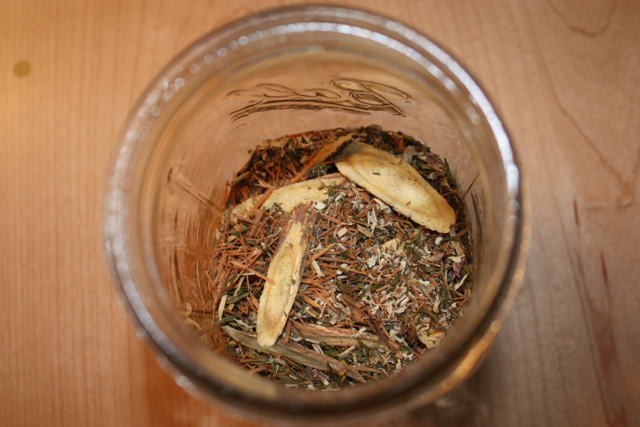
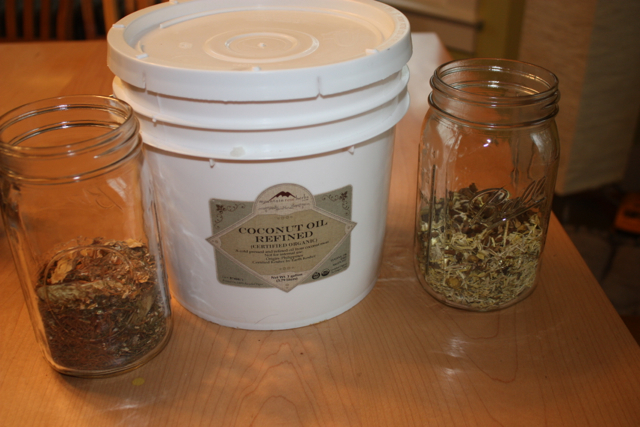
 One of the older dogs I work with recently developed severe separation anxiety, involving doing injury not just to the house she lived in but also to herself. Her western vet had put her on Xanax and Prozac but the Prozac didn’t seem to do anything and the Xanax sedated her so much she acted like a zombie dog on it.
  I’ve added this
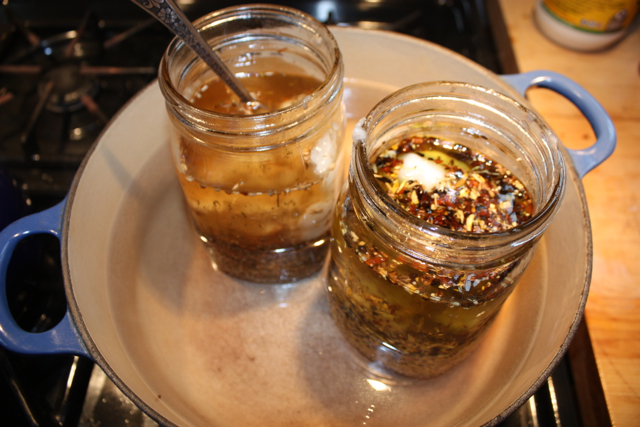
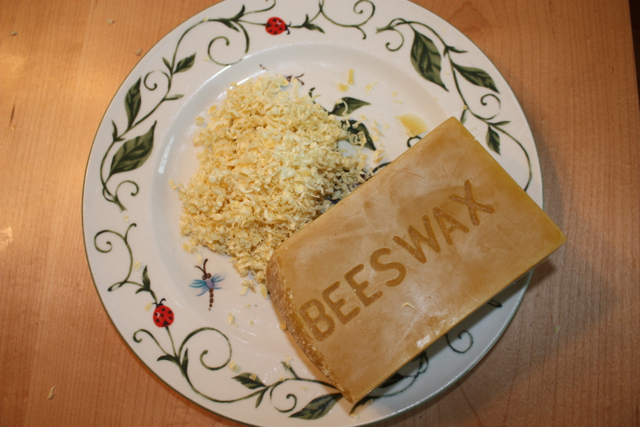
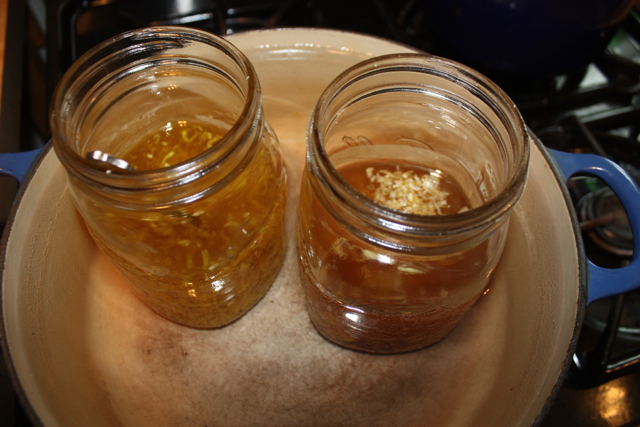
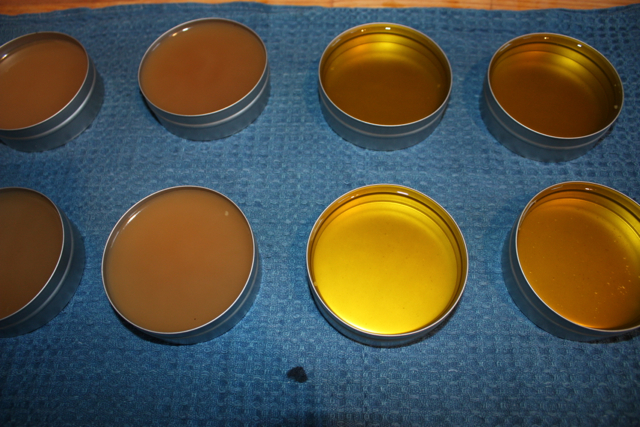
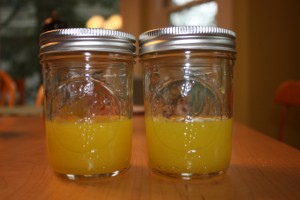 And the finished product – a nice soft and soothing ointment for hot spots and skin infection.
 for the recipe on how to make an ointment. I highly recommend this book for anyone who wants to make their own herbal products.




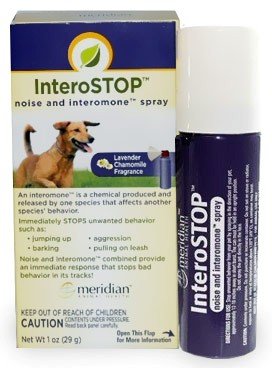 I recently attended the ACVIM veterinary conference for internal medicine specialists. This is by far my favorite mainstream medicine conference because there are always many lectures on the new cutting edge medicine being developed.
  caught my eye this year with its claim to help calm dogs and cats with a synthesized pig pheromone. I have long been a fan of Feliway and DAP that work in the same way but have found less success with DAP. The company that makes InteroSTOP happily gave me a free product to try.
 for both
  which I have not tried but I imagine would also be helpful. I will definitely be recommending InteroSTOP to clients.
  I have had so many questions about medical marijuana in animals lately, especially with it becoming legal in Washington state where I practice. This is probably one of the best articles out there about medical marijuana use in pets and the legal issues that come up with it. See