Squamous cell carcinoma – holistic, herbal and integrative treatments in dogs and cats
Saturday, October 15th, 2011 The good news about squamous cell carcinoma is that it is very slow to metastasize; the bad news is that is locally very aggressive, eating through anything in its path. In addition because this cancer commonly occurs in the mouth, there isn’t a lot of space to easily remove it. While I see more squamous cell carcinoma in cats it also occurs in dogs.
White cats and black dogs
Most squamous cell carcinomas occur in the mouth. However it is also a common cancer on the ears and noses especially of white or light colored cats who go outside in the sun. Another very common spot for squamous cell is in the toes of dogs especially black toed dogs.
Squamous cell often starts with chronic irritation of infection. On the ears of cats it is often from repeated sunburn. In the mouth it is many times secondary to tooth issues and infections.
The prognosis with squamous cell carcinoma is very good if you can remove the whole tumor but unfortunately this is many times not possible. Without removal, the prognosis is pretty poor and these animals experience a lot of pain if it works it way into the bone. However there are therapies that can slow things down and significantly improve quality of life.
I am going to break this article into three sections and talk about squamous cell in toes, in the mouth and then a section on the other places squamous cell can form and a little about cats. Follow the links for more information about herbals and therapies.
Squamous cell on the toes of dogs
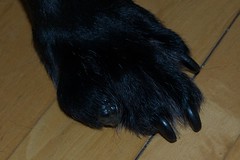 Most squamous cell carcinomas start on the toes as a broken nail or a non-healing infection in the nail bed. Often times a few rounds of antibiotics are prescribed before the cancer is diagnosed. I have only seen squamous cell carcinomas in black furred toes, however it is possible to get the disease in dogs of other colors also.
In some dogs squamous cell causes infection secondary to the cancer and is some animals it is chronic nail bed issues and infections, which cause it to develop.
The treatment of choice is to remove the toe as soon as the diagnosis is made. If the whole tumor can be removed then this is almost always curative.
Many dogs will be done at this point and can live normal lives however I have had some dogs who go on to form multiple cancers in other toes, usually this is because their immune system is not working correctly and also most likely has a genetic component.
 Occasionally surgery is not an option to remove the toe because of poor health or heart conditions and then other treatments need to be used.
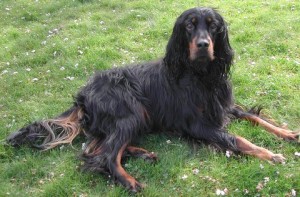
I treat a wonderful happy Gordon Setter named Hudson, known to most of those who love him as Huddie. He has lost three toes to this disease and also has Cushings disease, which makes his immune system not as strong as a normal dog.
With Hudson we have developed the following protocol, which I recommend for any dog who has had multiple squamous cell carcinomas in the toes.
- Remove toes as soon as diagnosis is made
- Artemisinin – I have found artemisinin to be very effective in slowing squamous cell down.
- Mushroom supplements – these help to strengthen the immune system and have anticancer properties. I recommend a supplement with a combination of Maitake, Shiitake, Reishi and Cordyceps mushrooms.
- Bu Zhong Yi Qi Tang – this herbal helps to move blood down into the toes and extremities and also has some strong anti-cancer herbs.
- In Hudson’s case we also have him on long-term antibiotics. It seems like his squamous cell started with chronic nail bed infections that could not be cleared with antibiotics once they took hold. As much as I would prefer not to use long-term antibiotics, in his case I believe they are a good precaution. This is not a recommendation I make in every dog.
- Acupuncture – we know Hudson has a weak immune system so we try our best to strengthen what is there with monthly acupuncture.
- Cancer diet – see Diets for cancer in cats and dogs
So what about the dogs where toe removal is not an option? Here are some options
- These guys need pain control. Squamous cell is a very painful disease once it gets in the bone. Many times a multiple drug approach is needed
- Artemisinin – see above and link
- Acupuncture – can help to slow down progression of this disease and help with pain. If there is active cancer treatment should be at least every two weeks.
- Xian Fang Huo Ming Yin – this can be a powerful formula for treating active squamous cell carcinoma in the toes but should be used with caution, as it is very cooling. Never use this in a very debilitated, weak or cold dog and always check with a holistic vet before using it. (no article up yet).
- Hoxsey like formula with boneset or its gentle cousin Cancer Detox Support – this can also be a very powerful formula against squamous cell, like XFHMY this formula is very cooling. See link for more information. Boneset should be added to this formula to control bone pain.
- Antibiotics – many times there are secondary infections in these dogs. Antibiotics are often needed.
- Prednisone – this western drug can help slow this cancer down although it also has some side effects. Talk to your vet about if it is a good option for your dog.
- Cancer diet – See Diets for cancer in cats and dogs
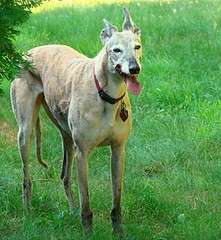 So on to Squamous cell carcinoma in the mouths of cats and dogs.
This is a horrible place to get a squamous cell carcinoma. The only way to get a cure is to remove a fourth of the jaw if it is in the lower jaw and there is no such option if it is in the upper jaw. Because this disease is so painful many animals will not eat and that is usually the factor that ends up ending their life. That being said I have seen animals do well for about a year after diagnosis, with integrative treatments. Usually dogs do a little better than cats, who usually don’t make it a year. This really varies animal to animal and involves being able to medicate an animal with a painful mouth.
How can we help these animals with squamous cell in the mouth?
First let me start off by saying in cats I often times just rely on injectable antibiotics, steroids and pain meds plus acupuncture. The amount of pain with oral administration of herbals is not worth any benefit we get from my experience. Occasionally I recommend oral pain meds as well. Below anything oral is mainly for dogs.
- Consider removing part of the lower jaw if it is in that area. I know it is a large and very harsh sounding surgery but these animals usually do quite well. This surgery is not for everyone so if you can’t do it there are other options below.
- Prednisone – I know it is a western drug and yes it has side effects but it really slows things down and also stimulates appetite in the process. This is one place I highly recommend considering it.
- Artemisinin – this herbal can really help slow things down. I treated a little Pomeranian named Panda who lived quite well for over a year on just Artemisinin, antibiotics as needed and pain meds.
- Acupuncture– can help with appetite, pain and slow this cancer down. Usually treatments need to be no more than two weeks apart.
- Hoxsey like formula with boneset – can help to slow this cancer down and help with bone pain.
- Pain medication – these animals need pain control!
- Antibiotics as needed. Having squamous cell in your mouth is like having a giant ulcerative wound open sometimes even up into the nasal passages. Antibiotics are sometimes used long-term and sometimes just as needed.
- Soft food and a cancer diet. These animals need to eat so give them what they will eat and use appetite stimulants if needed. Use very soft, easy to swallow foods. If they will eat a cancer fighting diet even better. See Diets for cancer in cats and dogs
Squamous cell other places in the body
Squamous cell can also arise other places in the body. The ear pinnae of white cats are a very common place and also the tip of the nose. Many people will make the decision to remove the ear pinnae and get a cure. For the nose usually a few radiation treatments is curative. Usually squamous cell on the pinnae or nose is slower moving then in the mouth and sometimes if the cat is old the decision will be made to just leave it. When squamous cell occurs other places, surgical removal is the treatment of choice if at all possible. If surgery or radiation is not an option then the treatments above can be used.
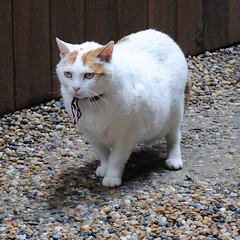 An extra note on cats
In many cats giving more than three drugs or herbs can cause side effects and reduced appetite. Depending on how many western treatments a cat is on usually I only recommend adding in two or three herbals and focusing on diet and acupuncture to supplement their effects.
Some cats cannot tolerate anything going in their mouth if they have cancer there in which case I only treat with acupuncture to try to make them have quality of life while they are here. If only one thing can be given it should be pain medication as this is a very painful disease.
As with all articles on this website please check with your animal companion’s veterinarian before starting any herbals or supplements. This disease more than any other of the cancers I have talked about really needs an integrative approach to treatment involving western drugs and interventions.
Return to Integrative and Holistic Methods for Treating Cancer in Cats and Dogs
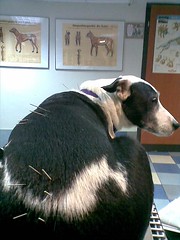
 Rooney is unusual in that I only worked with acupuncture with her and not herbs. For most of the animals I treat I recommend an integrated approach that combined acupuncture, herbs and often times some western treatments as well.








 . Nordic Naturals is one of the best brands for quality and they test for heavy metals and contaminants.
 , they work well and are very tasty. There are other good ones out there.


 From my past notes-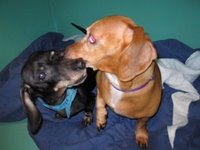
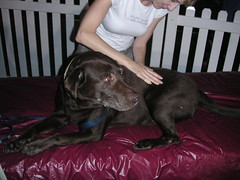
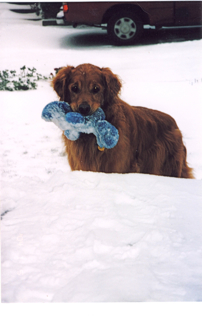 Maggie tries really hard to be a good guard dog. When you come to the door of her home, you can hear her barking in a strange muffled way, which makes you wonder until the door is opened and you realize she has a teddy bear in her mouth. That being said Maggie loves people and once she meets you she is all smiles, teddy bear or no teddy bear. Maggie has a way of smiling with her eyes that just draws people in.