Archive for June, 2011

Managing Cushings disease in dogs holistically

Saturday, June 25th, 2011

Over the years of practicing holistic medicine I was gone from thinking I could help control the symptoms of Cushings disease in dogs to now having dogs in my care who are completely controlled with diet, herbs and acupuncture.

I have had a number of dogs who we have gotten completely off of Trilosten (the main drug to treat Cushings disease) or significantly reduced the dosage. If I can catch it early many dogs never need to use the western drugs.

One of my favorite dogs with Cushings disease is a cute little Cairn Terrier I treat named Clancy. He’s a fun little guy with a lot of spunk. We were able to catch his Cushings disease very early about a year and a half ago, just after he was diagnosed. His main symptoms were increase in weight, panting and that he was much more jumpy when touched and startled easily. He also drunk a lot of water and was always hungry. Through acupuncture, herbs and diet we have been able to keep Clancy happy and symptom free. Occasionally he will have a little flare up of symptoms but so far we have been able to treat those flare ups with acupuncture and some herbal and dietary changes. I’m hopeful that Clancy will never need Trilosten or other western drugs.

So what is Cushings disease?

If you have found this article you may already know about Cushings. For those of you that don’t here is a short explanation.

Cushings disease is caused by an overactive adrenal gland which produces too much adrenal hormone. Most of the time this is caused by a benign pituitary tumor in the brain which signals the adrenal to produce more hormone than it needs. Occasionally this is caused by an adrenal tumor in the actual gland. Usually with an adrenal tumor, removal is recommended. However with pituitary tumors removal is too difficult and the treatment of choice is to use a drug such as Lysodren or Trilosten which stop the production of adrenal hormone through destroying the cells that make it or blocking its release. This can be risky because if too much gland is destroyed or if too much hormone is blocked the animal can die, become seriously ill, or develop Addison’s disease (not enough adrenal hormone) which is much more dangerous. Both these drugs can permanently damage the adrenal glands.

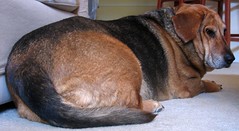
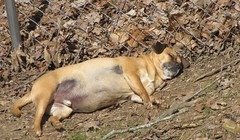
The main symptoms of Cushings disease are a pot bellied appearance, excess hunger and water consumption, and hair loss on the sides. Many dogs have a tragic look to them. In addition Cushings disease can cause weakness and panting. These dogs have a weakened immune system and are prone to infections and cancers. People will often times describe their dogs with Cushings as more agitated and some dogs will have issues with sleeping through the night.

Here are a couple other good articles about Cushings disease and it’s treatment
Cushing disease
FDA cushings disease and Trilosten

An amazing things I recently learned about Cushings disease is that it appears to be closely related to type 2 diabetes. In fact there are those that believe that both diseases are the same syndrome, just manifesting differently. When brain scans were done of cats with insulin resistant type 2 diabetes, it was found that in those cats with insulin resistance had pituitary tumors characteristic of Cushings disease. Wow!
Prevelant of pituitary tumors among diabetic cats with insulin resistance

Both diseases seem to be induced by an overload of nutrients of the carbohydrate variety. Animals with Cushings disease and diabetes develop what is called metabolic syndrome. There body can not handle the amount of carbohydrates and high glycemic index ingredients in many of the processed diets we feed them. These high glycemic index diets cause high levels of inflammation in their bodies, which lead to problems in the endocrine system. This can lead to insulin resistance, development of pituitary tumors, or other inflammatory diseases.

You can pull up a great lecture on the subject of inflammation, diet and the endocrine system by one of my herbal teachers, Dr. Steve Marsden by following this link (brings up a PDF).
Management of inflammation using chinese herbs and diet

So enough said. What do you do if your dog has Cushings disease?

  1. Pull all grains and most of the carbohydrates out of their diet. Feed them the least processed diet that they can tolerate. Raw high protein diets are best. If raw is not possible feed them a grain free, potato free, high protein, high quality canned food such as Instinct. Home cooked diets like the diet I use for animals with cancer are also great. See Diets for cancer in cats and dogs. Do not feed these dogs dry food!

    I have found that changing diet alone can make a huge difference in these dogs so if you can only work with diet you can still help your animal friend.

  2. Treat the dampness and inflammation. This is the best way to get their endocrine system back to normal regulation. In most dogs, the best Chinese herbal formula for this is called Si Miao San. This formula helps to decrease inflammation in the body, regulates insulin, and improves digestion. I sometimes add corn silk to this formula to help with problems with insulin resistance. Not surprisingly this is also one of the main formulas I use for diabetes. Si Miao San is not always the best formula for all dogs with Cushings. Si Miao San works best for the hot, panting, overweight Cushings dog. When I work with thin, weak dogs there are other herbals that work better. If at all possible find a veterinary herbalist to help you with this.
  3. Acupuncture. I have so much more success in those dogs I can treat with needles. Acupuncture helps to regulate the endocrine system and reduce inflammation in the body. I have found that many dogs will only need acupuncture about every two months once we get them stable unless we are treating other health issues as well.
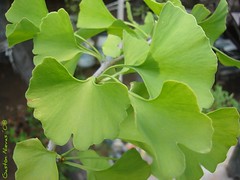
  4. Ginkgo biloba can be helpful in treating Cushings. Ginkgo slows the release adrenal hormone and can help to control Cushings disease. I do not use this herb with all the dogs I treat as I have found it not to be as effective as Si Miao San, acupuncture and diet change. However it does seem to be the herb that can be added to the protocol if you are not getting as much symptom control as you think you should be. It is very much my tipping point herb and sometimes it makes the difference between good control and mediocre control of this disease.

    Ginkgo is also a great herb for helping with dementia, high blood pressure, and protecting against heart disease and stroke. Because of this I often recommend it in my older animals. My favorite ginkgo product is made my Animal Apawthecary and also contains hawthorn. It is called Hawthorn Plus.

  5. Be aware that a natural approach can change the amount of Trilosten and other drugs that are needed to control this disease. Work with your vet to monitor signs of drug overdose if your dog is already on Trilosten or Lysodren, when they are being treated naturally. If your dog stops eating, becomes lethargic, or has sleep disturbance or vomiting and diarrhea contact your vet immediately. This could be a sign of overdose.

While I have not been able to get all dogs controlled without western drugs, usually we are at least able to significantly reduce clinical signs and/or reduce the dose of drugs needed to regulate this illness. In a disease with not many good safe options for treatment, I love having effective natural options to offer the animals I work with.

As with all advice offered on this website please check with your animal’s veterinarian before changing your animal’s medications or adding any herbals.

Si Miao San – slowing down cancer and inflammation

Friday, June 17th, 2011

Si Miao San or Four Marvels Powder is truly one of the workhorses of Chinese medicine. It is probably the most common formula I use. You see, Si Miao San is very good at treating inflammation and our animal companions have a lot of inflammatory disorders. This is my top formula for inflammatory bowel disease, allergic dermatitis, Cushings disease, and diabetes.

In Chinese medicine it treats damp heat and is a simple yet powerful little formula of four ingredients.

  • Huang Bai (phellodendron bark)
  • Yi Yi Ren (coix seed)
  • Cang Zhu (atractylodes rhizome)
  • Huai Niu Xi (achyranthes root)

These ingredients are highly anti-inflammatory and often this formula can take the place of prednisone for inflammatory disorders but without the side effects.

So how does this formula work for cancer?

It’s two main ingredients, Huang Bai and Yi Yi Ren, both have anticancer actions. Huang Bai contains berberine, which has been shown in a number of studies to slow down tumor growth and induce apoptosis or cell death. If you search pub med you will find a large list of studies on berberine and its anti-cancer activities.
Here is a good one – Apoptosis of human leukemia cells and murine leukemia cells induced by berberine through activation of caspase

Coix seed also inhibits growth of cancer cells and can induce apoptosis. Here is a great article on coix seed and its cancer actions -
Healthy Doses Job’s tears

This formula can enhance the action of chemotherapy drugs and anti-microbials in a good way. So it can safely be used with chemotherapy. However often times I focus more on the herbals that have strong immune stimulant effects for animals who are receiving chemo.

The main cancer I use Si Miao San for is lymphoma and some of the leukemias. I also often use this formula if animals can not handle Hoxsey-like formula. Animals needing this formula will run hot and often times have a history of past inflammatory diseases.

The Cang Zhu in this formula helps to support good digestion, which can often be a large issue in animals with cancer. While most of this formula is very cold in nature, the atractylodes is warm and makes sure this formula is well tolerated by most animals. It also does not cool them down too much.

For the animals I treat I make my own Si Miao San from whole dried herbs and dose at 1/8 twice a day for cats and small dogs, ¼ teaspoon twice a day for dogs 15-25 lbs, ½ twice a day for dogs 25-50 lbs, 1 teaspoon twice a day for dogs 50-90lb and 1 ½ teaspoons twice a day for dogs greater than 90lbs.

With tinctures I use .2 ml per 5 lbs of animal twice a day. For tea pills and granules, use the human dose for dogs greater than 50lbs and dose down by weight for smaller animals.

If you are working with a holistic vet or Chinese herbalist, get this formula from them. If you have a local international district that can also be a good place to find this. Amazon.com does carry this formula in powder form, click on this link Si Miao San.

As with all supplements and herbals, please check with your animal’s regular vet before using this herbal.

Return to Integrative and Holistic Methods for Treating Cancer in Cats and Dogs

A magic vial of Yunnan Paiyao

Saturday, June 11th, 2011

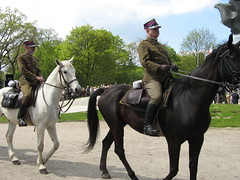
As gunshots rang out, he fell from his horse bleeding from where the bullet had entered his chest. As blood ran from the wound, he could feel his life slowly slipping away. Images of his small daughter and wife, who were both far away, ran through his mind.

Quickly he reached for the vial, opening it to swallow the small red pill within and then taking the powder beneath it he quickly poured it in to the fresh wound. His breathing started to return to normal and he felt like he would be able to make it off the battlefield to find help. There was still some bleeding from the wound but no longer enough to take his life.

Sound like something from a fantasy movie? Surprisingly it isn’t.

Yunnan Baiyao, also known as Yunnan Paiyao, is a special formula know to every Chinese herbalist. It was developed in 1902 in China and has been an important remedy ever since. The formula is owned by the Chinese government and the secret of what exactly is in the magic red pill is highly guarded. It is rumored that it is made from gallstones cultivated in very special cows among other things but even the workers in the factories do not know exactly what is in it.

I have used Yunnan Paiyao a number of times and been highly impressed with how well it works.

When my husband first moved in with me his cat, Sabutai, was suffering from horrible mouth cancer. One day which he was eating, the tumor in his mouth began to hemorrhage. In a matter of seconds there was blood all over the bathroom and he was just a small cat. Not knowing exactly what to do, I rushed to the medicine cabinet and grabbed one of the little red pills and pushed it down his throat. Within 60 seconds the bleeding had almost completely stopped and he did not hemorrhage again for the rest of his illness.

Another time I was at the vet clinic I used to work at and saw one of my old clients in the waiting room with their older dog, Alki. They quickly explained that they had just found out that Alki had a large tumor on her spleen that was bleeding into her abdomen and that she needed emergency surgery and most likely a blood transfusion. I quickly ran home and grabbed a vial of Yunnan Baiyao and brought it back. We administered the small red pill before she went into surgery and not only did she get through the surgery well and not need a blood transfusion but the surgeon was surprised at how little bleeding there was considering what was happening.

So why don’t we all have a vial of Yunnan Paiyao sitting around for emergencies? I’m not sure. I know I do!

In our family we often use the powder for any kind of cut or wound. It is not only good at stopping the bleeding but helps keep wounds from getting infected and is not painful to apply like many of the wound cleaning agents. It is safe and can be licked and eaten by cats and dogs without worry.

But isn’t it expensive you ask? Guarded by the Chinese government and that effective!

No! Usually you can buy Yunnan Baiyao for about $6-10 for a vial or a package of 16 pills of powder. You can even buy this on Amazon.com
Yunnan Baiyao Capsule Herbal Supplement
Yunnan Baiyao Powder

When are the best times to use it?

If an animal is going into surgery, especially if there is concern about excessive bleeding, I recommend giving the powder or capsules of powder for three days before and after the surgery. The little red pill can be given right before surgery but while the animal is still awake. Dosage depends on the size of your animal (except the red pill). Cats usually do better with the powder mixed with a little water in a syringe because the capsules are too larger for them to swallow where dogs usually do better with the capsules unless they are very small.

Nasal bleeding can be a very hard problem to control especially if there is a tumor or chronic condition which causes it. Yunnan Paiyao can be used to control nasal bleeding.

Yunnan Baiyao can also be used in many of the end stage diseases where surgery is not an option but there is bleeding in the body which can not be controlled. This is a great herbal to use with hemangiosarcoma and any other bleeding cancer or tumor. The powder capsules can be used daily for this and the red pill once again only for emergency.

There are also many reports of it clearing up existing infections and can be safely poured directly into wounds. Although if a wound is infected I usually reach for the antibiotics.

Yunnan Paiyao can safely be used in any cut or wound although deep wounds should be evaluated to see if sutures are needed. Yunnan Paiyao will actually promote healing and help a wound to close faster.

With Yunnan Bai Yao in most dogs I dose this at one pill twice a day unless they are very large and then I double that. In cats and very small dogs the pills can be opened and half the powder can be used. In hard to medicate animals the powder can also be mixed with water and syringed into the mouth.

Return to Integrative and Holistic Methods for Treating Cancer in Cats and Dogs

Lymphoma in dogs and cats – integrative medicine – chemotherapy and herbs with a side of acupuncture

Tuesday, June 7th, 2011

Lymphoma is one of the fastest moving cancers out there. Because it is so fast moving, it is also the most responsive cancer to chemotherapy.

The prognosis with this disease can be very bad, especially if no treatment is used.

However the good news is, with chemotherapy and holistic medicine we can often get 18-24 months and occasionally ongoing remission. Integrative medicine clearly is the best way to go with this disease.

With no treatment I have seen animals die within one week of diagnosis. The average is 4 weeks with no treatment. With using natural medicine, I have found usually I can move that out to 2-4 months. Chemotherapy alone pushes that even further with average survival at around a year.

When a dog or cat comes to me with lymphoma, I highly recommend they consult with an oncologist or a vet who does a lot of chemotherapy work. If you want remission with this cancer you need to do chemotherapy.

The most widely used chemotherapy protocol for this cancer consisted of a multiple drug approach and is given over approximately six months for dogs. In cats the protocol is shorter and the main vet I work with believes that one to three chemo treatments can significantly slow down this disease in felines.

Full chemotherapy for dogs can also be quite expensive, around $4000. Shorter durations can be given for this cancer as well if cost or tolerance of chemotherapy is a concern.

Because so many people choice to do chemotherapy for this cancer I divided this article into four sections.

  • Treatments I recommend regardless of western treatment
  • Treatments I use with chemo
  • Treatments to give if no chemotherapy is used
  • Cats

So first what do I recommend for all cats and dogs with lymphoma? (Follow the links for more information on the supplements and dosing information.)

  1. Weekly or every other week acupuncture. I have seen this make a large difference in survival times and in keeping white blood cell levels within normal range during chemotherapy. Usually just with acupuncture alone I can double any prognosis. Please see Acupuncture for animals with cancer – stoking the healing power within
  2. SanSheDan ChuanBeiYe is great at slowing this cancer down and keeping it out of the lungs.
  3. Artemisinin can reduce node size and make animals feel better.
  4. A good cancer diet without grains. If you are using chemo do not feed raw food, make sure it is cooked. For more information on the diets I recommend seeDiets for cancer in cats and dogs.

In addition to this protocol if no chemo is used I recommend -

  1. Prednisone. Yes it is a western drug, but it will work as a chemotherapy drug and shrink the nodes. Every animal I have treated for lymphoma has been on prednisone and I highly recommend it. If you are considering chemo do not start the prednisone before consulting with an oncologist or vet who knows chemo. If given before chemo the prednisone can significantly reduce the outcome of the chemo.
  2. Hoxsey-like formula If this formula causes vomiting I skip it.
  3. Si Miao San if the lymphoma is mostly in the nodes or gastrointestinal system.
  4. Xiao Chai Hu Tang – if there is cancer in the spleen, liver, or intestines

If chemotherapy is given I add to my main protocol:

  1. Mushrooms – I give a mushroom combo with shiitake, maitaki, reishi and cordyceps There are many of these products. Mushrooms not only have effects directly against cancer but stimulate the immune system and help keep white blood cell counts up.
  2. Milk thistle – improves the outcome of chemotherapy and decreases side effects
  3. Bu Zhong Yi Qi Tang – there is a great study out there at shows this herbal improves outcomes and reduces side effects during chemotherapy.

In cats

Cats have a hard time with multiple drugs and supplements. With cats I start them on my main protocol and then wait a week. If they are still eating well I will then add in one Chinese herbal formula in addition to my main protocol.

How do I decide which one?

The best I can tell you is usually this will either be Xiao Chai Hu Tang if this cancer is intestinal or centered in the spleen or liver, Hoxsey-like formula if the cancer is in the nodes, or Bu Zhong Yi Qi Tang if they are getting chemotherapy.

If at all possible find a good holistic practitioner to work with your cat. Cats generally do really well with acupuncture so if at all possible find someone who also does acupuncture.

Cats can get a disease called small cell lymphoma which is very slow moving. I treat this differently and will try to put up another article on it.

This article is still in development. Over the next few weeks I will clean it up and write individual articles about the herbals and supplements I mention which do not currently have a link.

As with all advice offered on this website please check in with your animal’s primary veterinarian before using any of these herbals and supplements.

Return to Integrative and Holistic Methods for Treating Cancer in Cats and Dogs