Archive for January, 2016

Arthritis and our animal friends -holistic approaches

Monday, January 18th, 2016
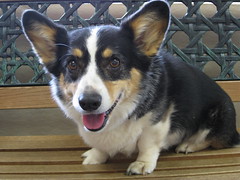
It’s sad to see our animal companions no longer be able to do the things they once could do as they age and grow older. All older animals have some amount of arthritis, although some have many more problems with it.

Unfortunately, Western medicine has very few options for treating arthritis and uses mostly drugs, to treat the pain. This is starting to change with some veterinarians doing stem cell and plasma rich platelet injections. However these treatments can still be expensive. Ask your vet about if these treatments are right for your dog. Some animals are not able to tolerate these drugs and many times animals are on three different drugs and it still isn’t enough.

In some animals arthritis manifests as weakness caused by the inflammation pushes on the nerves. Many dogs walk around like their feet are asleep, tripping over things, stumbling and no longer having the strength to jump into the car or onto the bed. Unfortunately because they can no longer walk as far or do as much as they used to, their muscles start to atrophy or waste away, causing a vicious cycle. As the weakness increased, they do less, which causes more atrophy from disuse, leading to more weakness and more atrophy and less activity. In the end many of these animals can no longer get up on their own or even take a short walk.

In other animals arthritis will manifest as pain, which can also prevent movement and cause the weakness/atrophy cycle. Many of these animals will become moody and withdrawn and may even snap and bite at their people out of fear of pain. It is so hard to see our friends have so much pain that they no longer want our affection.

In most animals there is a combination of pain and weakness.

Usually dogs suffer more than cats because they carry more weight and are used to daily activity. Also people often don’t notice that their cats are painful because they spend so much time sitting and sleeping

So what do we do for our friends to help them live out their old years happy and pain free? Often the best approach involves both drugs for pain and holistic treatments to support the body.
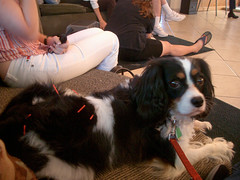
  • Acupuncture Being an acupuncturist, I always recommend acupuncture first. Of course, this is also because I have seen how well it works in the animals I treat. I often find that if I can work with animals when they first have problems, they do so well, I only need to treat them every one to three months. Unfortunately most of the animals I see have had problems for a while and their people only learned about acupuncture when they had tried everything that western medicine had to offer. In these animals, acupuncture can still work and work well but usually treatments need to be closer together.

    It is so nice to see these animals happy and able to enjoy life again!

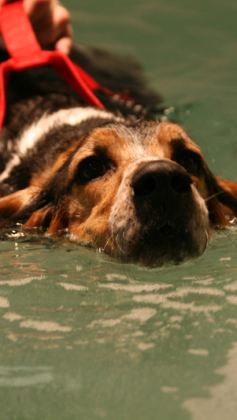
  • Hydrotherapy is a great option especially in dogs who have muscle atrophy. Unfortunately it cannot be done with cats, although Sheila Wells at Wellspings has told me they have worked with rabbits before. Hydrotherapy is done in a small swimming pool and involves massage and physical therapy in the water. I have seen excellent results with hydrotherapy especially combined with acupuncture. Hydrotherapy helps to rebuild muscles, increase range of motion and work out sore and sensitive areas of the body without the impact on the body of exercise on land. My favorite pool is Wellsprings in Seattle Washington. They have a great website with lots of information and photos that I love to refer people to. Click on the link to check it out!
  • herbs5

  • Herbs
    I have worked with Chinese herbs with many of these arthritic dogs and some cats. The combination of acupuncture and herbs usually helps with pain and movement and helps animals maintain between treatments. I rarely use Chinese herbs in cats because they are very sensitive to them and it is hard to medicate cats. I sell an senior dog herbal formula called Senior Dog Support, through my etsy shop, that helps with arthritis pain and improves blood circulation into the joints. Your holistic veterinarian may have something else they recommend.
  • Fish oil/ Omega oils
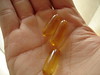
    The Omega 3 Fatty Acids in fish and cod liver oil actually helps decrease arthritic inflammation in dogs (not true for cats although it helps with other things). Adding a little fish oil to the diet can help many animals.My favorite brand is Nordic Naturals – Pet Cod Liver Oil . Nordic Naturals is one of the best brands for quality and they test for heavy metals and contaminants.
  • Glucosamine/MSM/chondroitin
    These supplements help to decrease inflammation and rebuild damaged cartilage. They are often sold in combination. The nice thing about these supplements is that they have few side effects and are very safe. Some animals have a wonderful response to them and some have almost no response. It usually takes a month to six weeks to see if your animal will have a positive response. Adequan, similar to glucosamine is also available in an injectable form and works better in some animals. It is also a lot easier to give to cats who are hard to medicate daily. After the initial series of injections it usually only needs to be given once a month. Adequan can only be purchased through your veterinarian. My favorite glucosamine product is Sea Mobility Beef Joint Rescue jerk treats, they work well and are very tasty. There are other good ones out there.
  • Infra-red light therapy – Infrared light helps ease the pain of arthritis in joints and increase blood circulation to the area. It is very cheap to do and can be done at home. See my article Infrared Light Therapy for kidney failure, incontinence and arthritis.
  • Chiropractics
    Many animals have subluxations of their spine especially as they age. A good chiropractor can often help with mobility and pain. I have found that chiropractic adjustments work best in animals with a very tight back and more pain then weakness. For my own cat, chiropractic adjustments have worked better than anything else we have tried and have made his life much better. Make sure you find a chiropractor who is used to working with animals and knows animal anatomy.
  • Massage/Acupressure
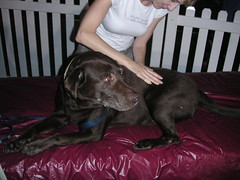
    Massage can help to loosen tight muscles and increase blood circulation. It also can help with pain.We know it works for us, why not for our animal friends. Once again make sure you find a massage practitioner who is certified to work with animals. I have two amazing massage therapists I work with in Seattle, Kim Rogers and Jen Streit. Kim also does humans!

    Acupressure works with the acupuncture points and helps decrease pain and relax muscles.

    There are many great books on acupressure and massage for animals. Here are a few
    The Well-Connected Dog: A Guide to Canine Acupressure
    Acu-Cat: A Guide to Feline Acupressure
    The Healing Touch for Dogs: The Proven Massage Program for Dogs, Revised Edition
    The Healing Touch for Cats: The Proven Massage Program for Cats, Revised Edition
    Four Paws Five Directions: A Guide to Chinese Medicine for Cats and Dogs

  • Reiki/Bowen/Polarity/Craniosacral and other energy therapies These therapies help stimulate the body to heal and can decrease pain and improve quality of life. Since there is little regulation of these therapies it is important to get a referral before seeing someone. This is especially true of Reiki since there are so many people who practice it. A good practitioner can make a huge difference in an animal’s quality of life.

It is better to do one thing and stick with it than to jump around between therapies. Often times animals will began with me doing acupuncture and herbs and then we will add in other therapies as needed. If I can’t help an animal with acupuncture I will refer them to another practitioner to try something else. Don’t make too many changes all at once in an old animal’s life. Go slowly instead.

How to prevent cancer in dogs and cats – repost

Monday, January 11th, 2016

I often get the question, “how do I prevent cancer in my dog or cat?”

This is always a hard question to answer. There are so many factors involved in the development of cancer that even doing everything we can to avoid it, animals can still get cancer.

In addition cancer forms when multiple control processes in the body fail. There are many things we still do not understand about both why cancer forms and how to treat it effectively. I am certain that in the next fifty years we will understand a lot more and with the new gene and stem cell therapies that are emerging we will look back on how we work with cancer now as barbaric and ineffective.

Cancer is a breakdown of the immune system and the processing and chemical/hormonal systems in the body that regulate cell growth. Every day cancer cells form in our body and our immune system immediately finds them and destroys them. In addition there are chemical and hormonal processes in our body which stop cells from becoming cancerous. These processes make it so cells age and die naturally as new cells take their place. In cancer this does not happen. The signals for cells to age don’t work and cells rapidly divide and reproduce.

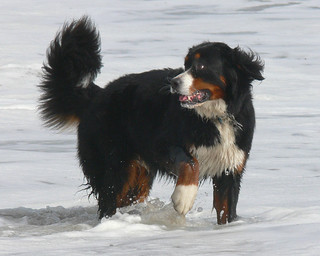
We know that there are genetic factors involved in cancer. This is especially apparent in the purebred dogs. The Bernese Mountain dogs are the most likely breed to have cancer. I have never meet one who did not die of cancer, which is a shame for such a beautiful and kind dog. Most get cancer before their eighth birthday. They are closely followed in percentage of cancer cases by the Golden Retrievers and Boxers, who also are very prone to cancer.

Toxins and pollutants also have a role in cancer. BPA in plastics has been linked to cancer. Estrogens in our water supply may also contribute. We know there are industrial chemicals in the environment and pesticides and herbicides. These chemicals lead to cell damage and chemical abnormalities in the body, which can cause a failure of signals that stop cells from becoming cancerous or in a weakened immune system.

So with all these factors, what can we do to prevent cancer in your animal companions?

  • In my opinion the number one thing you can do to help your animal friend is to feed the best diet possible. I prefer raw diets of high quality meat but a good home cooked or canned diet can also be great. If you feed canned food make sure the company which makes the food is not using BPA coated cans. If you can’t afford anything but dry feed a high quality dry food with high protein. Consider adding cancer fighting foods to their diet See Diets for Cancer – you are what you eat a fighting cancer machine.
  • Avoid exposure to pesticides, herbicides and other toxins. Make sure you don’t use chemicals on your lawn, and when you are out walking your dog try to avoid the lawns that are too green and weed free. Be careful what chemicals you use in your home. Do not use harsh cleaning chemicals around your animal.
  • Only use flea medications if needed unless your animal has a flea allergy. Yes these are also pesticides and the jury is still out on how toxic these products are to your animal friend. I feel like it is becoming too common to just put animals on year round flea treatment even when it is not needed. If you do use flea medications use the least toxic ones possible and avoid products with multiple ingredients.
  • Avoid over vaccination. I do believe in vaccination but I believe the current vaccine schedules are more than is needed. There are studies confirming the links between vaccination and certain types of cancer like fibrosarcoma. While the correlation is harder to prove with other cancers there does seem to be association between over vaccination and certain cancers like hemangiosarcoma and leukemia. See To vaccinate or not to vaccinate that is the question part 1 cats and part 2 dogs.
  • Keep your animal from becoming overweight and make sure they get exercise. Overweight animals are more prone to both cancer and inflammatory disorders such as asthma, inflammatory bowl disease, diabetes and Cushings disease. Exercise helps promote good blood flow and a healthy immune system.
  • Do not smoke around your animal. There are studies that show that second hand smoke significantly increases the risk of cancer in your animal by three times the rate of animals in non-smoking households.
  • Depending on the source of your water consider using a water filtration system. Some water contains toxins, hormones, and heavy metal contamination.
  • If you have an animal at high risk of cancer because of breed or because of factors you can not control consider some extra anti-cancer tools
    1. Add supplements to their diet to help control cancer like Cod Liver Oil, extra vitamin A and D, IP-6, Coenzyme Q10 and/or mushroom supplements like MUSH Medicinal Mushroom Blend or Host Defense MyCommunity
    2. Work with an acupuncturist or holistic vet to do treatments to help correct any imbalances early or to do occasional detox treatments. This can be done with acupuncture, herbs, homeopathics or other therapies.
    3. Get regular check ups to catch cancer early and when it is treatable.

Is there more cancer in our animals then there used to be?

It is hard to tell. I believe a lot of cancer used to not get diagnosed. It was the ain’t doing right dog in the backyard that wasn’t taken to the vet, the cat who just wandered off one day.

We definitely do a lot more diagnosing these days and with it catch more cancer then we used to. However I think our world has also become more toxic, with chemicals and pollutants. Our cats and dogs are down on the grass, sniffing, eating, licking their feet. Our animals are on our couches and beds that have flame retardant chemicals on them, they are eating foods that are becoming more unhealthy, they are being treated with more pesticides then every. So it is hard to say if there is really more cancer or that we are just doing more to diagnose and treat it then ever before.

There is no way to completely avoid the risk of cancer but there are ways to decrease the risk. Many of these suggestions also can help avoid the risk of other chronic diseases and help animals have more energy and vitality as they age.

Return to Integrative and Holistic Methods for Treating Cancer in Cats and Dogs

Taking care of ourselves so we can care for our elderly and sick animals

Monday, January 4th, 2016

Lately the topic of compassion fatigue has been coming up for me over and over again with my clients. Night time yowling cats, banging dogs, dogs that need check ins every few hours or six meals a day. It’s exhausting! I’ve written so much about animals on this blog, and how to treat them in hospice, and how to care for them well, and how to make them better. But I feel like I need to write more about the wonderful caregivers who care for these loved animals and who don’t always take good care of themselves in the process.

So here goes!

Did you know there’s a difference between a caregiver and a caretaker? I learned this recently. A caregiver is someone who gives care to another person or being with love, because they choose to, and with no resentment. A caretaker is someone who gives care to another without those elements. It doesn’t mean that they are a bad person, that they’re flawed in some way, or that they’re doing anything wrong. In fact we often times swing between caregiver and caretaker. One of the biggest elements in the swing is self-care.

No matter how much we love a person or animal, we will build up resentment if we’re not taking proper care of ourselves. It is not selfish to put ourselves in front of those we are caring for. In fact not only is it not selfish, but it is necessary for us to care well for another being.

One of my counselors once told me about the pitcher and the bowl. If you put a pitcher in the middle of a large glass bowl and you fill the bowl with water, the picture will fall over. If you once again put the pitcher in the middle of the bowl, and fill the pitcher with water first, the pitcher will fill, stay firmly planted, and then will overflow filling the bowl. We are the pitcher and we must fill ourselves before we can get to others. Otherwise we will topple over and not only not be able to take care of ourselves but not be able to take care of anyone else either. We give better care when we take care of ourselves.

This is extremely hard to do in a society that value self-sacrifice and makes self-care out to be a selfish act. It is even harder to do when sometimes we feel it means that our loved ones do not get quite the care that we wish we could give them.

Yesterday I went for healing session for the first time with Virginia Rain down the street. She posed the question to me, what if your body was your pet? How would you treat it then? It’s an interesting question. Even those of us that do quite a bit of self-care, exercise, eating well, sleeping well, we don’t always take proper care of our body. We take it for granted that it’ll be there to support us and we don’t honor it or care for it like we would our beloved companion animals.

So what are the most important elements of self-care so we can be good caregivers to our animals?

Number one is sleep. Without sleep it doesn’t matter how much self-care we do we’re good to be a mess. Our body needs 7 to 9 hours of sleep a day. Most people I know don’t get this and most people I know taking care of a hospice animal really don’t get this. So what does this mean? It means that sometimes we have to put our animals in a different room and ignore their whining, pacing or yowling so we can sleep. This is one of the most difficult things to do for caregiver. But it’s also the most important. If we cannot do this, then sometimes we have to enlist help from a spouse, a friend, or someone else that can help us have time to sleep.

Another important thing is making sure that we get self-care for our body. Especially with larger dogs that need to be lifted and moved, we need to keep our body in good shape. Throwing your back out when you have a 70-pound dog you need to carry around is not going to be a good plan. And the time to deal with that is in prevention and not waiting until it happens. Body care can include things like getting acupuncture, bodywork or massage, chiropractic adjustments, and making sure that we have time to stretch and exercise. One of the main reasons I started Kingdom of Basil was so my human caregiving clients could get their own healing care in the same building as their animal companions.

Emotional well being is also extremely important. It is so easy to just shove our emotions deep into our body because we don’t want to feel them. Hospice care is hard and a lot of grief comes up around watching our loved ones slowly pass away and struggle. Pushing our emotions down only makes us more ill. It’s important to have an outlet for emotions. This may be a support group, a trusted counselor, an energy healer, or someone else who can help us do release of these emotions.

While this last suggestion may not seem that important, it really is. We need to continue to have a life. Hospice care is so emotionally draining that having some normality is really important. We need to still take time to get together with friends, to go out to eat, to connect with other people. This all will help us be better healers for our animal friends. Often times help is needed with this also. Many cities have people with businesses that can help take care of hospice animals. In West Seattle, two of my clients retired and started to pet care business. They’re able to help out with the midday care, veterinary appointments and have experience taken care special need animals. Look for something like them I’m in your city.

I think one of the most important things to remember about hospice care it is to be gentle to ourselves. No one can do it perfectly. We can’t always be there. I think a good start is to treat ourselves with the same kindness that we treat our animal companions that we care about.

Resources in Seattle

Please excuse any typos – this article was written with dictation software.