Archive for May, 2011

Feline Stomatitis – how to stop the pain

Saturday, May 28th, 2011
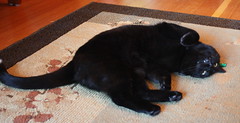
As I write this, my cat Raven is zipping around the living room playing and talking to himself. I know cats often do that, but Raven hasn’t been lately. This is made even more remarkable when you consider that he had a major surgery to remove all his molars and premolars and the connecting periodontal ligaments a little over a week ago. Raven feels good, better than he has felt in over a year. It warms my heart to see him happy again.

Feline stomatitis is the most painful disease in cats. Cats with stomatitis have severe inflammation in their mouths and sometimes back into their throats, far beyond normal dental disease. What makes it even worse is that because it effects the mouth, many cats with stomatitis don’t want to eat.

There are three main types of stomatitis.

  1. Juvenile stomatitis effects kittens and very young (less than a year and a half) cats. It is usually inflammation around the molars and premolars. This form of stomatitis can usually be cleared up by daily brushing and care of your cat’s teeth. It often times can be resolved by the time they are two years old with good care and never come back again.
  2. Rostral stomatitis effects mostly the front of the mouth and teeth. There is severe inflammation in this form of the disease, which seems to be more of a reaction to the bacteria and plaque on the teeth. This form of disease can be quite painful and lead to secondary infections as well. Rostral stomatitis can be completely cleared up if all the teeth are pulled. I have another cat, Melody, who had this form of disease. I had all her teeth pulled ten years ago when she was two and she has done great. She has no pain or inflammation. Rostral stomatitis can also be managed with very good dental care and antibiotics. This usually involves professional dental cleanings every six months, daily brushing and occasional antibiotics. In many of these cats it makes more sense to pull the teeth.
  3. Caudal stomatitis is the last type of this disease and the most severe. This is the form Raven has. It involves severe inflammation and ulceration around the molars, premolars and usually the oropharynx and throat behind the teeth. This form of stomatitis is chronic and usually impossible to completely resolve. With no treatment many cats will stop eating and die from the severe pain and inflammation.

Here is a link to an article with some great photos of stomatitis (warning – somewhat graphic)
Feline Stomatitis

So how do you treat caudal feline stomatitis?

I tried to treat this disease just holistically in Raven and while I feel like I bought some time I do believe that this disease needs to be treated with extraction. By the time I scheduled Raven to have his teeth pulled, he would often scream while eating if he was not on pain meds. He did better once I started making my own cat food for him but clearly he needed something that would permanently remove the pain. The best prognosis is in pulling the teeth early in the disease process.

  1. The best thing you can do is to see a veterinary dentist. These professionals really know what they are doing. The procedure being done by most of these dentists is to remove all the premolars and molars and the periodontal ligaments. I know it sounds like a big surgery but these poor cats are in so much pain and they immediately feel better. Raven went home the day of surgery on pain meds and was already playing again. It is very important to make sure that no roots are left when the teeth are pulled. If you go to a dentist they will make sure that no roots are left and remove the ligaments as well. This gives the best prognosis for a pain free life. Raven’s dentist, Dr. DuPont, gave a 80% chance that once Raven recovered he would be able to live a normal life with no medication even though he would still have some inflammation in the mouth. This can vary on the severity of disease, how long it has been going on and if steroids have been given or not.
  2. Get the teeth pulled as soon as possible. The sooner the teeth are removed, the better the prognosis. Really! They do so much better without the teeth.
  3. Avoid giving steroids. Many vets recommend steroid injections for this disease and the steroid will clear up the symptoms for awhile. However Dr. DuPont told me he has found that the prognosis gets worse for every steroid injection that is given. It may be that cats with more severe disease get more steroid injections so it is hard to put a direct cause and effect on this. The cats with the best prognosis have not had steroids. Raven had only had one steroid injection so his prognosis was still pretty good but it would have been even better without that one shot.
  4. Follow the protocol given by the dentist after the teeth are removed. This often is a few weeks of antibiotics. I know it is hard to get drugs down a cat but it is important to get proper healing and clear up any infection
  5. Get your cat on a grain free canned food diet. This helps to decrease the inflammation in their body and can help to reduce the inflammation in the mouth. I have Raven on a mix of mostly my homemade cat food – see Making Crazy Awesome Homemade Cat Food, and occasional Instinct canned cat food, and Rad Cat raw food. Avoid anything with bone bits as they can irritate the tissue in the mouth of these cats.
  6. Consider herbal treatments if there is still severe inflammation after the teeth are pulled. I was able to control the inflammation in Raven’s mouth successfully with Hoxsey like formula with Agrimony and Yellow Dock Root for about six months. This formula helps to pull blood away from inflammation, decreasing the inflammation, and heal mouth ulcerations. I hope I do not need to use it now that Raven’s teeth are gone but I am hopeful that if he has any flare ups I can get it under control with these herbs.
  7. Use pain medication if needed. The most common pain medication given is buprenorphine. Some vets use Metacam but usually given long term it will start to destroy the kidneys and is not a good choice for long term use.

Why does this disease occur?

We don’t know. It is more common in certain breeds of cats like the Siamese and Abbyssinians. It is more common in cats who had rough starts to life as kittens.

There may be viral factors involved but we don’t know for sure. Cats with FIV and FeLV have more problems with it. Cats with stomatitis are more likely to test positive to herpes and calici viruses then normal cats.

It does seem to have an autoimmune component. The immune system is overreacting to the plaque and bacteria or fighting against the teeth or ligaments holding the teeth themselves. Is there an allergy component to it? Maybe. I found Raven’s inflammation would flare up with any grain in his diet.

Someday we may have the answers and in finding them a better way to treat this disease. In the meantime, pulling the teeth is the best we have and well worth it for our cat companions’ comfort.

Update 11/16/13 – A reader recently asked me how Raven was doing and I realized it would be good to add an update. Raven is now five years old – it has been about 2 1/2 years since his teeth were pulled. His mouth looks great and he has shown no symptoms of any pain ever. He is a happy, energetic boy! We are lucky.
Pascal’s feeding box and night time yowling

Thursday, May 26th, 2011

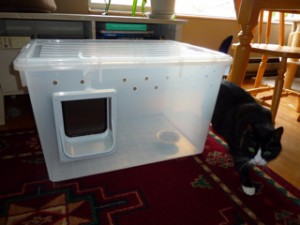
My friends Jenn and Jeff made this awesome feeding box for their new cat Pascal. He is 15 years old and needs to eat in the middle of the night but they have another cat who would eat all the food if they left it out.

Jeff bought a large rubbermaid box and a cat door with a magnetic collar and put them together. I think this is genius and I wish he would start marketing these. I know so many households with one very large hungry cat and one very small cat. Jeff has some great photos on his blog of the resulting box and more about Pascal. Here is Pascal’s story.

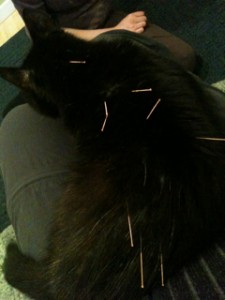
Pascal also recently became a patient of mine and gets acupuncture and herbs for his recently diagnosed renal failure and for night time yowling. Jenn and Jeff have reported back that Pascal’s yowling is much less and he is playing more and seems happier.

Yowling can be a problem in older cats. In Chinese medicine we say it is often from the water of the kidneys being deficient and not controlling the fire of the heart. Because of this, yowling is common in cats with renal disease. Acupuncture and herbs can be a great tool for treating this in many cats. Although unfortunately I had another cat I treated recently where the acupuncture did not help.

Night time yowling can also be a sign of thyroid issues which needs to be treated with western medicine. So if your cat is yowling at night the first step is to get blood work run to rule out a thyroid issue. There is a great western treatment for thyroid disorder which involves injecting radioactive iodine which destroys the benign thyroid tumor that causes this disorder. Sounds strange but it is a safe and effective treatment. I have been through it with two of my cats and a number of the animals I work with have had this treatment including Pascal.

Making crazy awesome homemade cat food

Friday, May 13th, 2011

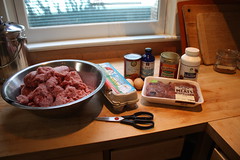
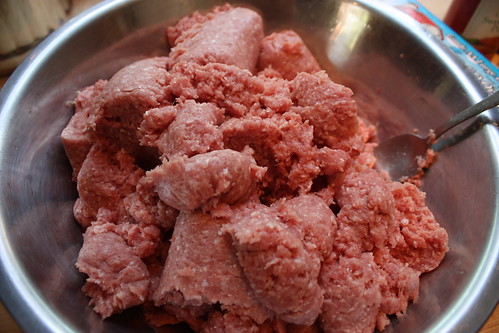
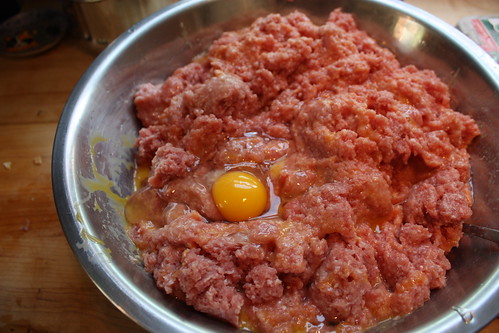
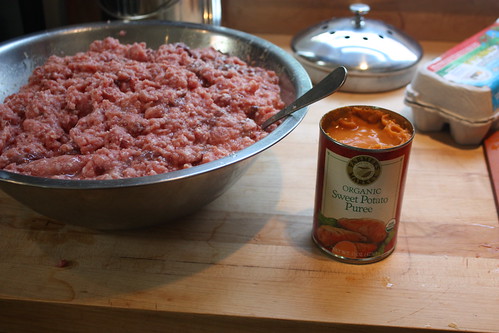
This afternoon I whipped up a batch of my homemade cat food for our four kitties. I serve it raw so it is pretty easy to throw together and a lot of fun to make. It feels like making cookies, only these kids like meat cookies and are much happier eating it as raw cookie dough.

Here’s my recipe if you want to try it at home

Make sure the meat has been frozen for at least 48 hours at some point. I buy my meat frozen.

Also see Making Crazy Awesome Homemade Cat Food Part Two for a higher protein and egg free recipe.

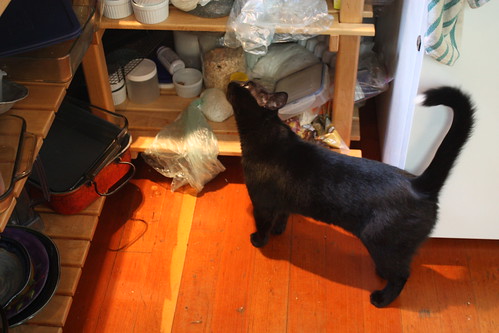
Raven knows I'm making food for him


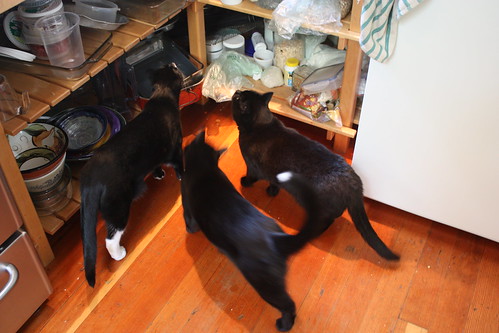
Can we have some too?


Eight pounds of free range ground turkey


A dozen free range eggs


Yum! Sweet Potato


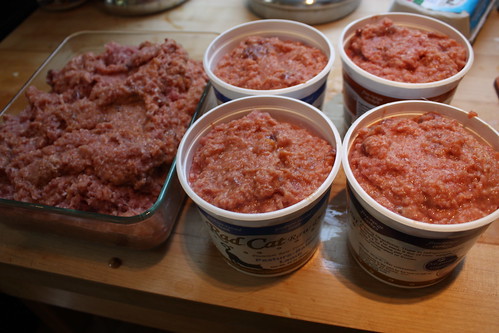
All set for the freezer and fridge. This will last our kitties about a week. I freeze half of it and refrigerator the other half.


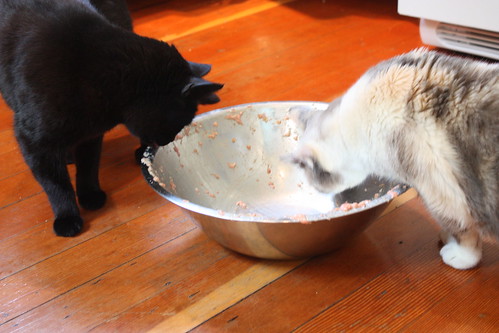
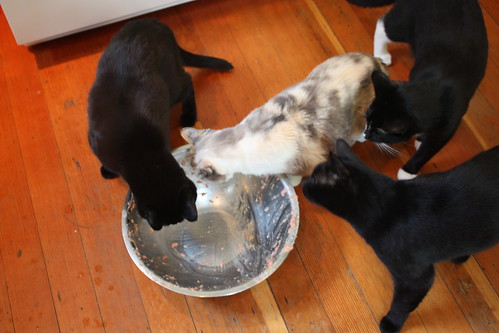
The best part - licking the cookie bowl!


Mom, the girls are hogging the bowl!

Three legged and happy – how to holistically treat osteosarcoma (bone cancer) in dogs

Sunday, May 8th, 2011

Osteosarcoma or bone cancer is one of the most painful cancers but it is also one that I have had the most success with using integrative and alternative treatments.

When I was studying with my acupuncture teacher, Richard Panzer, I met an incredible great dane with osteosarcoma. She was fairly young and her prognosis was not good. However she would bounce into the clinic twice a week for acupuncture treatments, full of life. Her tumor slowly became larger but the cancer did not spread to her lungs, which is typical of this disease. Eventually when she became extremely painful they made the decision to amputate her affected leg. I heard that she later died of a disease unrelated to her bone cancer.
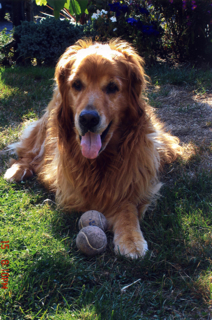
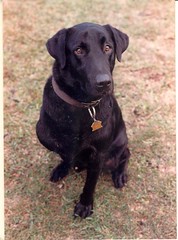
The first dog I treated with osteosarcoma, Maggie, had a similar story. She went a year before her bone was so weakened from the cancer that it broke and her leg had to be amputated in an emergency surgery. She is still alive over five years later. Here is her full story, Maggie’s story – Sometimes three legs are better than four.

In all the dogs I have treated, I see about 70% of them beat bone cancer. Most dogs die of something else. However, if amputation is not an option, pain becomes the factor that causes their human companions to put them to sleep. Even the strongest pain medications can not control the pain of osteosarcoma.

With no treatment, most dogs with osteosarcoma will live three months after diagnosis and die from lung metastases—when the cancer spreads to the lungs. However herbal medicine has some amazing tools to keep cancer out of the lungs and make it so dogs can live with osteosarcoma and sometimes go into complete remission if we can amputate the primary tumor.

I’m seeing more and more pet parents use an integrative approach — doing 3-6 rounds of chemotherapy combined with holistic medicine and where available, immunotherapy treatments. I recommend consulting an oncologist.

So what is my protocol for osteosarcoma?

  1. Amputation – Above all I recommend amputation if it is at all possible. This is a very painful cancer. The only way to get rid of the pain is to amputate. There is no way to get rid of the primary tumor without amputation even with chemo, radiation, or immunotherapy. This is the most important treatment, in my opinion. I know it seems like a major and harsh option, but most of these dogs immediately feel better from amputation. It’s hard to recognize how much pain they have been in before we amputate. Pain medication can not adequately control the pain of osteosarcoma.
  2. Immunotherapy — in recent years, two forms of immunotherapy vaccines are showing significant success in treating osteosarcoma: the “Yale/EGFR/HER2” vaccine which can be administered with or without amputation, and the “Torigen” vaccine which does require amputation and use of the body part to develop the vaccine. Be sure to ask your oncologist about both.
  3. A cancer diet – this means a high protein diet with no grains. Ideally it should be cooked or canned. Raw is also ok if your dog will tolerate it and is not getting chemo. Don’t give this cancer the fuel it needs. Please see the article Diets for cancer in cats and dogs.
  4. Artemisinin. – Follow this link for more information about the supplement and how it is given. Artemisinin is under study at the University of Washington for its effect against bone cancer in people. Do not use artemisinin if your animal is getting radiation.
  5. Sanshedan Chuanbeiye – This is my number one herbal for keeping cancer out of the lungs. Follow this link for more information about this herbal.
  6. Acupuncture – I recommend weekly or every other week acupuncture depending on the stage of illness. Acupuncture can slow down this disease, boost the immune system and help with pain. To find a veterinary acupuncturist in your area use this tool IVAS find an acupuncturist.

In addition I sometimes use the following:

  1. Hoxsey like formula – if your dog is very hot with a lot of panting and heat intolerance or if amputation is not possible I recommend adding in this formula. If the primary tumor remains then boneset should be added to this formula to treat bone pain.
  2. Mushrooms can help to boost your dog’s immune system and support them during treatment.
  3. Pain medication, if amputation is not possible. This is a very painful cancer. If the primary tumor remains western pain medication is a must. Most dogs should be on a NSAID such as Rimadyl, Tramadol and possibly Gabapentin.
  4. Radiation treatments, if amputation is not possible. Radiation treatments can help with the pain of osteosarcoma. I highly recommend talking to an oncologist about this option if amputation is not possible. If your animal is getting radiation do not give artemisinin. Milk thistle can help to enhance the effects of radiation and decrease the side effects.

If there is radiographic (x-ray) evidence of lung metastasis please read Breathing through cancer – holistic therapies to control lung metastasis in cancer; and talk to an oncologist about the “Yale/EGFR/HER2” vaccine referenced above. It is currently showing promising results in clinical trials for lung metastasis.

I have known quite a few very happy three legged dogs. Dogs are great at just taking life one day at a time. I believe that this is a treatable cancer. Every dog will follow their own path, however I have been amazed at how well this herbal and acupuncture protocol can work.

Even though I have had a lot of success in treating this cancer, I recommend that you consult with an oncologist to make sure you know all your options. If possible find a good holistic vet in your area to help create a herbal program for your dog and do acupuncture treatments. If they are trained in acupuncture but not herbal medicine bring them this article.

As with all articles on this blog, please consult with your animal’s primary veterinarian about coming up with a protocol for your dog or cat and before using these products. Every dog is individual and there may be a better protocol for your dog then what I suggest based on their personal medical history and constitution.

Some cancers are more aggressive than others and even though I have had a lot of success with treating osteosarcoma, this protocol may not work for everyone.

Very rarely does this cancer occur in cats. However even though this article is written for dogs, I have used these herbals in cats as well.

Return to Integrative and Holistic Methods for Treating Cancer in Cats and Dogs

Happy Mother’s Day

Sunday, May 8th, 2011

Funny Pictures - Happy Mother's Day Cats
see more Lolcats and funny pictures, and check out our Socially Awkward Penguin lolz!

Diets for cancer in cats and dogs – you are what you eat, a fighting cancer machine

Sunday, May 1st, 2011

Good nutrition is very important in any animal fighting cancer. You are what you eat and with cancer we need a diet that feeds and supports the body but starves the cancer. In fighting cancer with herbs and holistic medicine, we are relying on the body to do the fighting. This takes a strong immune system and a lot of energy. You need good food for this.

Cancer cannot utilize fats but loves to use carbohydrates, especially processed ones. Protein is somewhere in between.

A diet high in protein, moderate in fat and with no grain or very low grain is ideal. Home-made cooked, or raw diets are best. If that is not possible then a good quality high protein, canned commercial diet or a hydrated freeze dried raw diet can be substituted.

If your animal is undergoing chemotherapy or radiation you should not use a raw diet (freeze dried is fine). However for these animals a great option is a cooked diet. After they are done with these treatments the food can slowly be transitioned to raw if desired.

If your dog or cat is very debilitated from cancer and has not been on a raw diet before stick with a cooked or freeze dried food.

Commercial raw diets can be cooked as a more simple way to make home cooked food for your animal.

Below are a couple diets I have been using for years for my clients who have time to home cook. It is not an exact science so feel free to play around with them. Scroll down to see some of the commercial diets I recommend (canned, freeze dried and raw).

Sample cancer diets

Dog (approximately for a 40 lb dog per day)

  • 1 1/2 cups cooked or raw meat including liver and organ meat (if you use fish or pork make sure it is cooked)
  • 1 cup cooked vegetables
  • 1/4 cup yam, sweet potato or pumpkin, cooked or canned
  • 1/8 cup nuts such as almonds, walnuts, or cashews
  • 2 T yogurt with live cultures
  • 1 egg
  • 1 teaspoon Nordic Naturals Pet Cod Liver Oil
  • a calcium supplement (see below)

Cat Cancer Diet See Making Crazy Awesome Homemade Cat Food

An alternative cat food recipe is Making Crazy Awesome Cat Food Part Two.

For homemade dog food (cats are hard to add extras to their food)

  • If possible I also recommend adding reishi, shitake, and/or maitake mushrooms to the diet. Mushrooms are strong immune stimulates and have anti-cancer properties. Add them in as some of the veggies. Mushrooms should always be cooked as the cooking releases their helpful properties and when they are not cooked they are mildly toxic. Alternatively Fungi Perfecti, in my opinion the best mushroom company around, offers a great powdered supplement called MUSH.
  • When picking vegetables, broccoli and other leafy dark green vegetables should be considered. Many studies have been done on broccoli’s effects against cancer.
  • I am not a large user of supplements, but I love Healthforce’s Vitamineral Powder and feel like it adds in both micronutrients and some added digestive support.
  • The pumpkin, sweet potato, yam, and cod liver oil are high in Vitamin A. Vitamin A promotes mechanisms in the body that kill cancer cells and cause cell differentiation. Consider adding other sources of vitamin A such as liver and carrots.
  • A calcium supplement needs to be added to any diet made for cats and dogs. There are many ways to do this.

    • If you are feeding a raw diet you can feed raw chicken necks for calcium.
    • If you are using eggs in your diet consider smashing up the egg shell and adding it to the diet. One egg shell provides enough calcium for an average sized dog. 1/8-1/4 of an eggshell provides enough for a cat.
  • If you are making raw food make sure the meat is frozen for at least 48 hours to kill off any dangerous parasites.
  • Nuts such as walnuts, almonds and cashews are high in trace nutrients, minerals, vitamins and good fats. If possible include these in your diet. Cats sometimes do better with a little almond butter. Avoid macadamia nuts which are toxic to dogs.

If you are using a commercial canned food I recommend the following

    • Weruva is a great food that seems home made. They have many varieties so make sure you find a grain free one. I have found this food much cheaper on Amazon.com
  • Instinct is completely grain free and very high in protein.
  • Taste of the Wild is another quality food I use in a lot of the dogs I work with.
  • There are other good ones out there but make sure they mostly contain meat and are grain free.

If you are using a commercial raw diet ideally pick one local to your area. I really like Darwin’s for raw dog and cat food.

For commercial home cooked food and raw food for cats and dogs in the Seattle area, Natural Pet Pantry is a good option. Fresh and local food and run by knowledgable and kind folks.

If you are looked for a good freeze dried raw Stella & Chewy’s is my favorite and even picky animals including cats seem to like it. With any of the freeze dried foods I recommend hydrating them.

I hate to see dogs and cats with cancer on dry food but if that is the only option then a no grain high quality diet such as Orijen can be used.

Remember that any food in the belly is more important then the best food sitting uneaten. Sometimes animals with cancer are so sick that they have very little appetite. In that case give them anything they will eat. When they are feeling better, focus on trying to get them to eat what is best for them.

Return to Integrative and Holistic Methods for Treating Cancer in Cats and Dogs.