How to find a good holistic vet to work with
Sunday, December 11th, 2011The number one question I receive from people visiting this blog is “how to I find a good holistic vet to work with?” It is a good question!
Here are some suggestions and resources to do this
- Ask your animal’s veterinarian From my experience there is not as large a divide between western medicine and holistic veterinary medicine in this country as there is in the human medical community. Part of the reason for this is that we are all veterinarians. I had a full western veterinary education and practiced it for six years before I learned acupuncture. I still use my western training daily. Because of this the mainstream vets trust us, they are less worried that we will do something that harms an animal or makes their treatments not work. I receive about half my patients through vet referrals. The vets that refer to me, know me, trust me and give me full access to their records and that makes it easier to coordinate treatments with them.
- Take a visit to your local pet food store. I’m not talking the big box stores like Petco and Petsmart but your local independent stores or small chains. In Seattle these include Next to Nature, Mud Bay, All the Best, Pet Elements, and many more. Hopefully you have one in your area. These stores are very good at educating their staff on nutrition and options for people’s animals with disease conditions. They also hear stories from people all day long about their animals. They know the local practitioners and who is good. Ask them! They are always happy to share.
- Ask people at the dog park or you meet walking dogs.The best referral is word of mouth. People love to share stories about their dogs and I think we just naturally want to recommend practitioners who have helped our animals.
- Search holistic veterinarian or veterinary acupuncturist “your city” online. The internet got you here, it should help you with this also.
- Use one of the tools from the various holistic veterinary societies.
Do all holistic veterinarians know acupuncture and other kinds of natural medicine? What is the best type of holistic veterinarian for my animal?
 Most of us do not practice all holistic modalities, and even those with a wide area of systems they work with, usually have a few they are very good at and some that they just do a little of.
I consider myself a very good acupuncturist and Chinese herbalist. I am a TCM or Traditional Chinese Medical practitioner. In addition I do some western herbal medicine, know something about supplements and vitamins, occasionally dip into homeopathy and flower essences and am pretty good at nutrition. I can not do chiropractics, do not know aryuvedic herbal medicine, and can not do classic homeopathy.
Because of this if you came to see me with your animal I would most likely recommend acupuncture and Chinese herbs because those are the two modalities that work best in my hands. If you went to someone who specialized in aryuvedic herbal medicine and homeopathy they would probably recommend a therapy that included those modalities.
Ever holistic vet is going to be a little different in their knowledge.
What is the difference between all these methods of treatment?
I am going to use mostly links to websites since there are so many good explanations already out there and then adds my own thoughts so please click on the links for more info.
- Naturopathic medicine – I think of most naturopaths as using a combination of dietary therapy, supplements, vitamins and western herbals to cure disease and bring about balance in the body. In Washington state human Naturopaths are on the same level as MDs and can prescribe most drugs, do blood tests and do small surgical procedure. Of course veterinary naturopaths will be western veterinary doctors already.
- Traditional Chinese Medicine – This is the type of medicine I practice. It includes acupuncture and Chinese herbal medicine used together in synergy. TCM also uses it’s own system of diagnosis that is very different than western medicine. Through TCM I am often able to fit many symptoms and diseases an animal is suffering from into one Chinese diagnosis and I find it easier to treat hard to diagnose and chronic conditions that western medicine has trouble with
- Acupuncture There are many practitioners who practice acupuncture alone under the TCM system or practice acupuncture under a more western system. From my experience the best practitioners use TCM to diagnose and treat.
- Botanical or Herbal Medicine There are many types of Botanical Medicine. The most common are
- Ayurvedic Herbal Medicine – This is an Indian system of treating disease and dysfunction that also includes diet.
- Western Herbal Medicine includes European, American, and Native American plant medicine.
- Traditional Chinese Herbal Medicine – see TCM above. Most Chinese herbal medicine uses herbal in combinations that work together so that the formula is not the sum of the herbals used but how the herbs react with either other. This makes it possible to use herbals that would be toxic alone by combining them with others which reduce their toxicity and also makes it possible to target herbs to a certain area of the body, among other things.
- Homeopathy – Classic homeopathy is a very complex system and takes many years to learn. Many of us use more of a “cookbook form” of homeopathy.
- Chiropractors – focus mainly on adjustments to the spine
Return to Integrative and Holistic Methods for Treating Cancer in Cats and Dogs
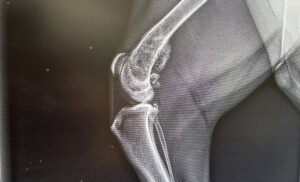 When I was studying with my acupuncture teacher, Richard Panzer, I met an incredible great dane with osteosarcoma. She was fairly young and her prognosis was not good. However she would bounce into the clinic twice a week for acupuncture treatments, full of life. Her tumor slowly became larger but the cancer did not spread to her lungs, which is typical of this disease. Eventually when she became extremely painful they made the decision to amputate her affected leg. I heard that she later died of a disease unrelated to her bone cancer.